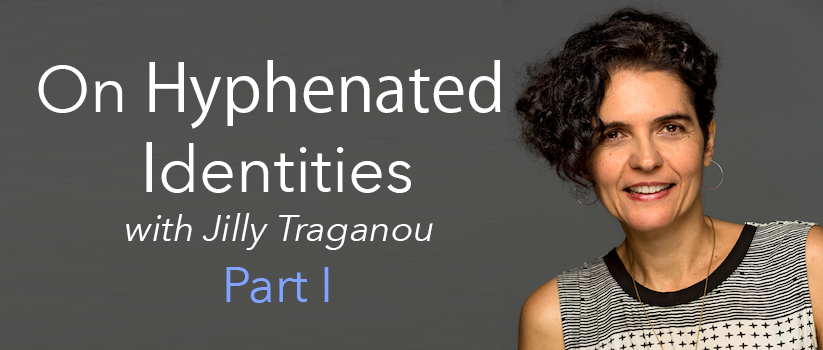
Does Our English Accent Matter? With Jilly Traganou. Part I
As someone from another country, does an English accent affect one’s professional trajectory and relationships? I sat down with Jilly Traganou, an architect and professor at Parsons School of Design, to discuss our experiences as immigrants in New York. Traganou was born in Greece and studied in Japan during multiple periods before relocating to the United States. She has a college-age daughter who speaks three languages.
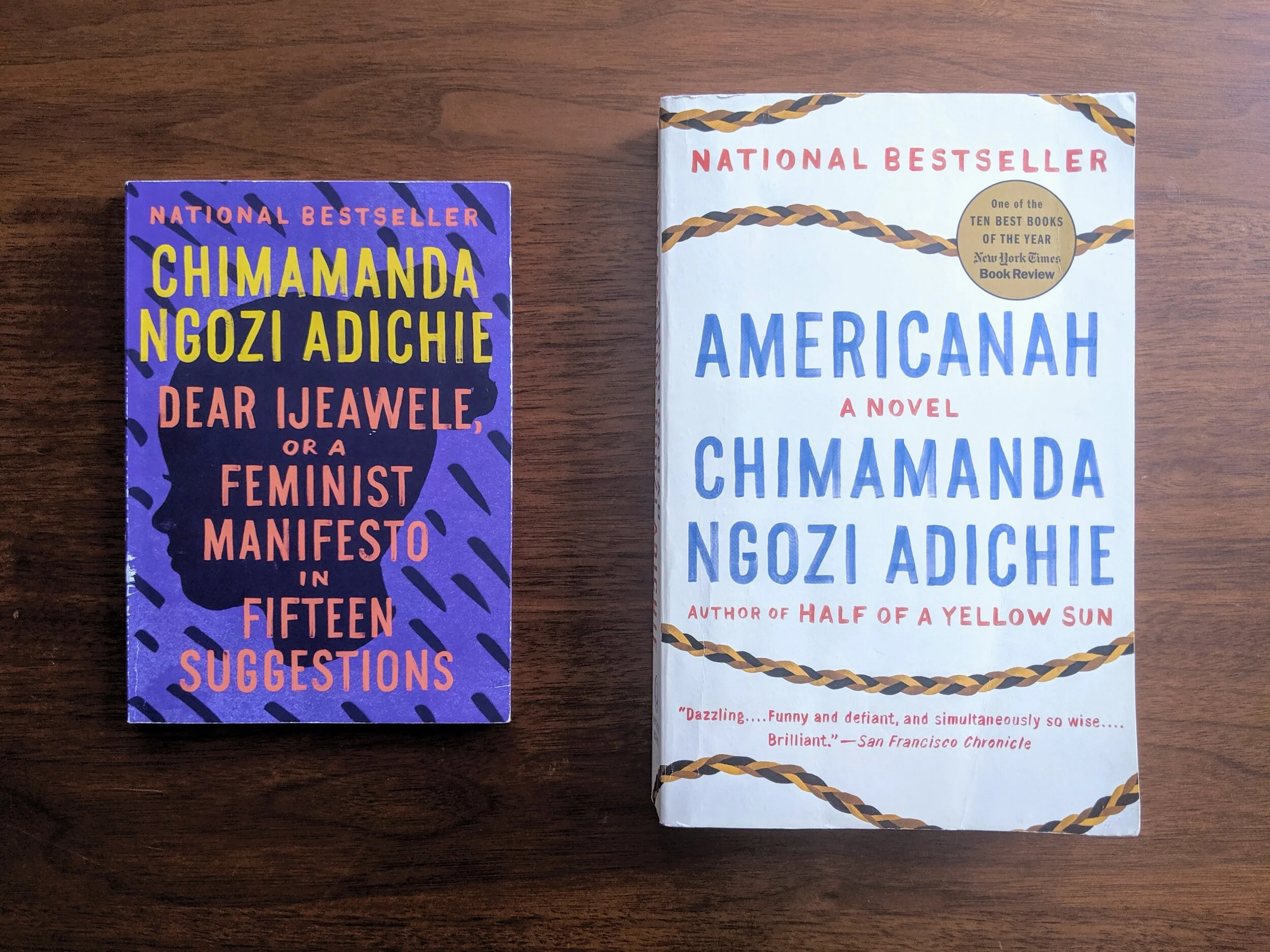
The conversation was inspired by discovering our mutual appreciation for novelist Chimamanda Ngozi Adichie, whose work explores identity and cultural stereotypes through African female characters. Both of us admire Americanah, a novel about a Nigerian woman navigating identity complexities in America while remaining authentic to herself.
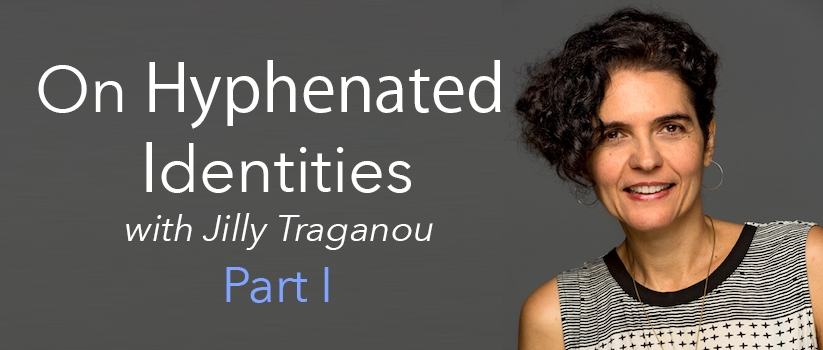
Do our accents of English matter?
Q: What drew you to Adichie’s writing?
J: My daughter discovered We Should All Be Feminists first and loved it, but struggled with Americanah. For me, Adichie’s descriptions matched my own adjustment to America — the language, communication styles, and social dynamics. I felt isolated initially, especially regarding how people interact. My daughter, born here, lacks these comparable experiences.
Q: Why does the book resonate?
J: I connected with the narrative arc of initial arrival. The language usage differs dramatically from how English is taught internationally. Adichie notes taboos around certain words like “fat” or avoiding “I don’t know” in favor of “I’m not sure.” I noticed Americans reluctant to say “no” directly. In Greek culture, disagreement and strong opinions are expected, whereas here there’s caution about negativity.
Q: My native language emphasizes politeness more than English, so I’ve pushed myself toward directness. Mandarin functions contextually — words act as containers of meaning that only cohere together, unlike literal English translation.
J: Japanese operates similarly. Subjects remain implied through context; speakers omit “I,” “you,” or “she.” It’s an indirect language with refusal expressed implicitly and abundant silence. There’s a book comparing Japanese social politeness with American directness called Polite Lies: On Being a Woman Caught Between Cultures.
Q: In Americanah, the protagonist initially attempts perfecting American English, then abandons this for her Nigerian accent. The author herself speaks with her natural accent successfully. I wonder if this reflects broader experiences — immigrants navigating adaptation balance.
J: People do attempt adjusting their speech patterns. Adapting may help because accents can overshadow content. Native speakers also face accent-based judgment related to regional origin and class assumptions. Foreign accents carry different implications, particularly in cosmopolitan places like New York, potentially triggering national bias.
However, I’ve known individuals with pronounced foreign accents who achieved successful American careers regardless — or perhaps because — of their foreignness. I wouldn’t characterize foreign accents as inherently disadvantageous. Sometimes listeners concentrate harder trying to understand, though admittedly, many simply disengage.
— To Be Continued —